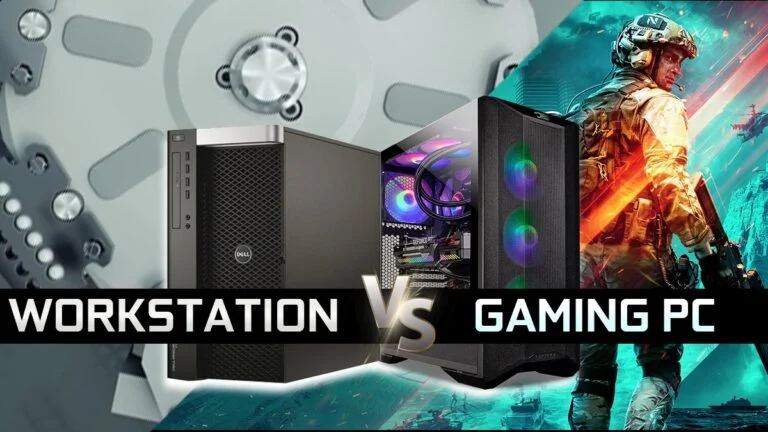
On the surface, a gaming PC and a workstation PC can look very similar. Both can be big, powerful machines with fast CPUs, strong GPUs, lots of RAM, and glowing fans. Because of this, many people assume they are almost the same.
As a tech writer who has tested both gaming rigs and professional workstations, I can say this clearly: they are built for very different kinds of work, even if the hardware looks similar.
The real difference is not in RGB lights or brand names. It’s in how each system is designed to handle stress, accuracy, and long working hours.
What a Gaming PC Is Really Built For
A gaming PC is designed to deliver high frame rates, fast response times, and smooth visuals. Everything inside it works together to push games to their limits.
Real-world gaming PC experience
When you use a gaming PC, you feel speed instantly. Games load fast, animations are smooth, and input lag is low. The GPU does most of the heavy lifting, while the CPU supports fast game logic and background tasks.
Gaming PCs are also flexible. You can upgrade parts easily, change cooling solutions, and fine-tune performance for your favorite games.
However, gaming PCs are usually tuned for short bursts of heavy load, not continuous full-day stress.
What a Workstation PC Is Really Built For
A workstation PC is designed for serious, long-duration work. These machines are used by engineers, designers, architects, video editors, AI researchers, and scientists.
Real-world workstation experience
Workstations feel calm and stable, even under heavy load. They can run at full capacity for hours or days without crashing. Accuracy matters more than raw speed here.
Workstation systems focus on:
- Stable performance
- Error-free calculations
- Certified drivers and software support
They may not look exciting, but they are extremely reliable.
CPU Differences: Speed vs Stability
Gaming PCs usually use CPUs with higher clock speeds to get the best gaming performance. These CPUs are great at fast, single-core tasks.
Workstation CPUs often have:
- More cores
- Larger cache
- Better support for long workloads
They may run slightly slower per core, but they are designed to handle heavy work continuously without slowing down.
GPU Differences: Frames vs Accuracy
This is one of the biggest differences.
Gaming PCs use consumer GPUs made for high frame rates and visuals. They are perfect for games and also good for casual video editing and streaming.
Workstation PCs use professional GPUs designed for accuracy and stability. These GPUs:
- Use certified drivers
- Handle complex 3D and CAD tasks better
- Reduce errors in long calculations
In gaming, a gaming GPU wins. In professional work, a workstation GPU is more reliable.
Memory and Storage: Speed vs Safety
Gaming PCs usually focus on:
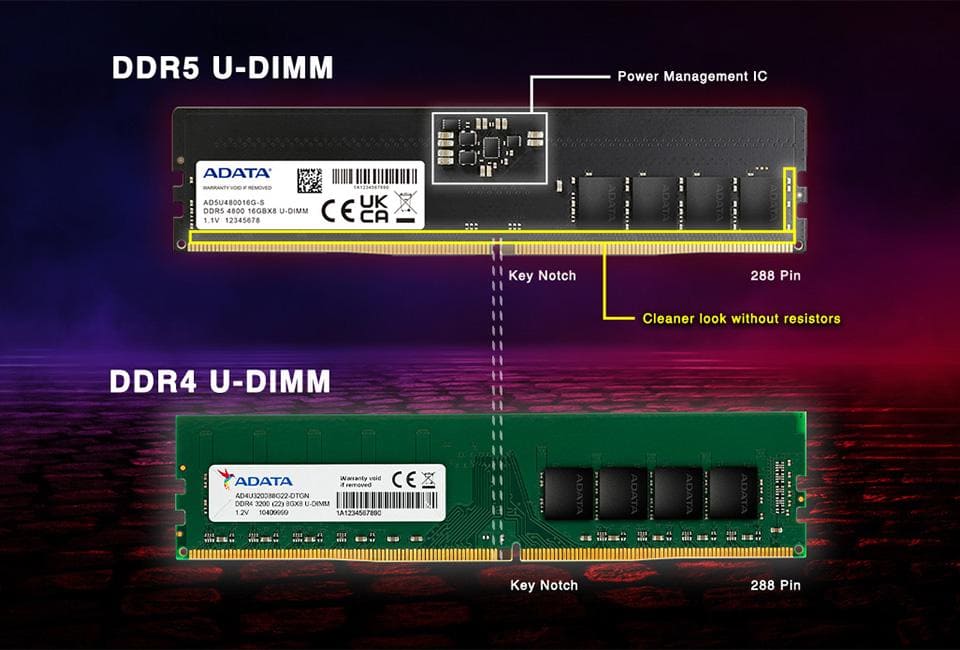
- Fast RAM
- High-speed SSDs
- Enough memory for games
Workstations focus on:
- Large amounts of RAM
- Error-checking memory
- Reliable storage setups
Workstations care more about data safety than raw speed.
Cooling and Power: Flashy vs Functional
Gaming PCs often use flashy cooling with RGB lights and aggressive fan curves. They are designed to look cool and perform well during gaming sessions.
Workstations use:
- Quiet cooling
- Strong power delivery
- Long-term thermal stability
They are built to stay stable, not to look impressive.
Simple Comparison Table: Gaming PC vs Workstation PC
| Feature | Gaming PC | Workstation PC |
|---|---|---|
| Main Purpose | High frame rate gaming | Professional workloads |
| CPU Focus | High clock speed | More cores & stability |
| GPU Type | Consumer gaming GPU | Professional GPU |
| Driver Priority | Performance | Stability & accuracy |
| RAM | Fast, moderate capacity | Large capacity, reliable |
| Storage | Speed-focused | Data safety focused |
| Cooling Style | Flashy, aggressive | Quiet, long-term |
| Upgrade Flexibility | Very high | Limited but stable |
| Gaming Performance | Excellent | Average |
| Long Workloads | Not ideal | Excellent |
Which One Should You Buy?
Choose a Gaming PC if:
- You mainly play games
- You want high frame rates
- You like upgrading parts
- You also do light editing or streaming
A gaming PC is perfect for entertainment-first users.
Choose a Workstation PC if:
- You do 3D work, CAD, AI, or video production
- You run heavy tasks for long hours
- You need stable and accurate results
- You care more about reliability than looks
A workstation is built for serious, professional work.
The Tech Writer’s Final Thought
A gaming PC is like a sports bike — fast, exciting, and powerful. A workstation PC is like a heavy-duty truck — steady, reliable, and built to work all day.
Both are powerful machines, but they are powerful in different ways.
If you choose based on what you actually do on your computer, the right choice becomes very clear.