When buying or building a PC, one question comes up again and again: Do I really need a dedicated graphics card, or is integrated graphics enough?
In 2025, this is a more important question than ever. Integrated graphics have become much better, while dedicated GPUs have become more powerful and more expensive. As someone who tests systems across all price ranges, I’ve seen people overspend on GPUs they don’t need — and others struggle because they skipped one they actually needed.
The right choice depends not on what is “better,” but on how you use your computer.
What Integrated Graphics Really Are
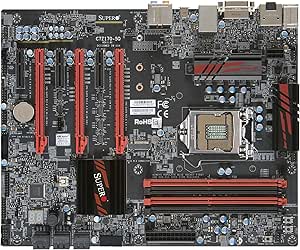
Integrated graphics are built into the CPU. They share system memory and power, and they are designed to handle everyday visual tasks efficiently.
In real-world testing, modern integrated graphics are far more capable than people expect. They handle daily work smoothly and even manage light gaming and creative tasks.
Integrated graphics focus on efficiency, low power usage, and simplicity.
What Dedicated GPUs Really Are
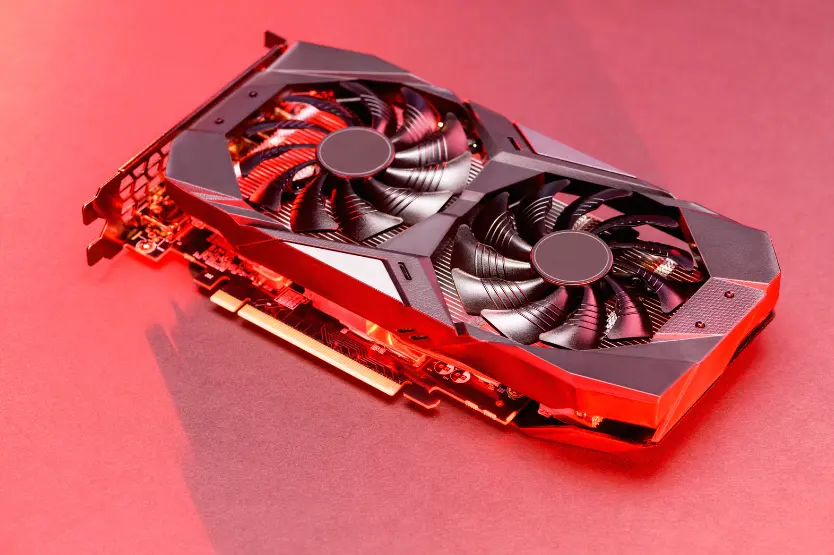
A dedicated GPU is a separate piece of hardware with its own memory and power supply. It is designed purely for graphics and parallel workloads.
Dedicated GPUs handle heavy tasks like modern gaming, 3D rendering, AI processing, and professional video editing with ease. They are powerful, but they also add cost, heat, and power consumption.
In testing, the performance gap becomes obvious as soon as workloads get serious.
Everyday Use: Browsing, Office, Media
For everyday tasks, integrated graphics are more than enough. Web browsing, office apps, streaming videos, and basic photo editing run smoothly.
From hands-on testing, users doing general work see no real advantage from a dedicated GPU. In fact, integrated graphics systems are often quieter and more energy-efficient.
For students, office users, and home PCs, integrated graphics make complete sense.
Gaming: The Clear Divide
Gaming is where the difference becomes obvious.
Integrated graphics can handle casual and older games at lower settings. Some modern esports titles run surprisingly well with the right settings.
Dedicated GPUs, however, are built for gaming. They handle higher resolutions, better visuals, and smoother frame rates.
In testing, once you move beyond casual gaming, integrated graphics quickly hit their limits.
Creative Work and Content Creation
For light photo editing and basic video work, integrated graphics are usable. They handle small projects without major issues.
For heavier creative work, dedicated GPUs offer huge advantages. Rendering times are shorter, previews are smoother, and complex effects run more reliably.
If your work involves large files or professional tools, dedicated GPUs save time and reduce frustration.
AI and Modern Workloads
AI tasks highlight the difference very clearly. Integrated graphics can handle small AI features like image enhancement or background effects.
Dedicated GPUs are far better for AI model inference, image generation, and video processing. In testing, these tasks run faster and more consistently on dedicated hardware.
For users exploring AI beyond basic features, a dedicated GPU becomes important.
Power, Heat, and Noise
Integrated graphics systems are efficient. They consume less power, generate less heat, and are usually quieter.
Dedicated GPUs require more cooling and power. This leads to larger cases, stronger power supplies, and more noise under load.
For compact systems and laptops, integrated graphics often provide a better overall experience.
Cost and Upgrade Considerations
Integrated graphics reduce system cost and complexity. There is no need to buy or maintain extra hardware.
Dedicated GPUs add significant cost but also add flexibility. You can upgrade them later as needs grow.
In testing, many users benefit from starting with integrated graphics and adding a GPU later if needed.
Simple Comparison Table: Integrated vs Dedicated Graphics
| Feature | Integrated Graphics | Dedicated GPU |
|---|---|---|
| Power Usage | Low | High |
| Heat Output | Low | High |
| Cost | Included with CPU | Expensive |
| Gaming Performance | Basic | Excellent |
| Creative Work | Light tasks | Heavy workloads |
| AI Performance | Limited | Strong |
| Noise Levels | Very low | Higher under load |
| Upgrade Option | None | Easy to upgrade |
Who Should Choose Integrated Graphics?
Integrated graphics are ideal if you:
- Use your PC for work, study, or browsing
- Watch videos and stream content
- Play casual or older games
- Want a quiet, efficient system
- Are on a tight budget
From a tester’s point of view, integrated graphics are far more capable than most people need.
Who Should Choose a Dedicated GPU?
A dedicated GPU makes sense if you:
- Play modern games regularly
- Work with video, 3D, or AI tools
- Want higher resolutions and frame rates
- Plan to upgrade performance later
If performance is part of your daily workflow, a dedicated GPU pays for itself.
The Real-World Verdict
Integrated graphics and dedicated GPUs are not competitors — they serve different users.
Integrated graphics are about efficiency, simplicity, and value. Dedicated GPUs are about power, flexibility, and performance.
In 2025, the best choice is not the most powerful option, but the one that matches how you actually use your PC.